
Poker and Table Games: A Beginner's Casino Guide
Home / Après-Ski and Casino / Poker and Table Games: A Beginner's Casino Guide
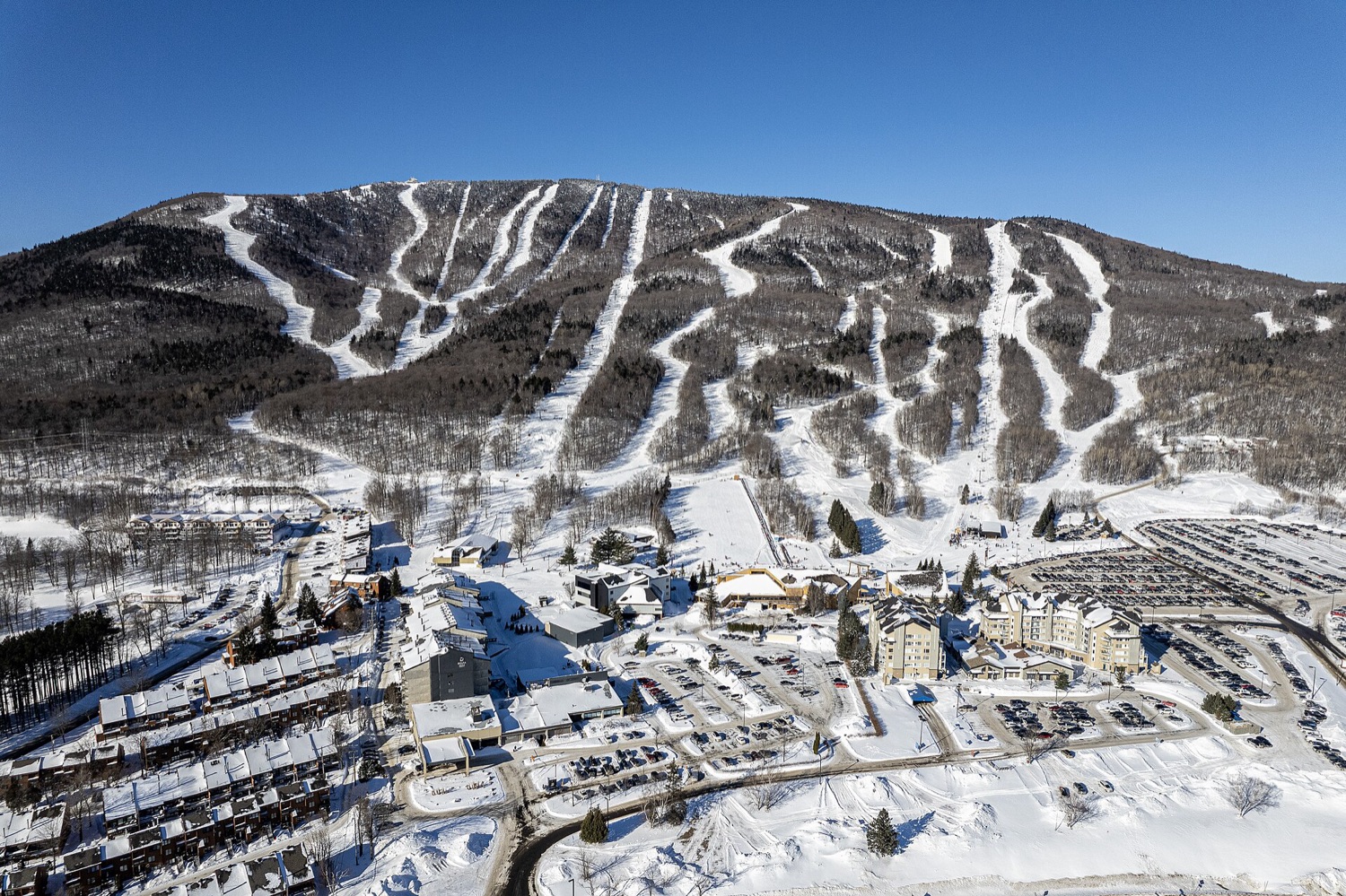
You've skied all day at Le Massif and now here you are at the Casino de Charlevoix, facing a row of green tables. Don't panic: table games are simpler than they look. Here's what you need to know to sit down with confidence.
casinos and evenings
Before You Sit Down
- Chips: you buy chips right at the table, by placing your bills on the felt between hands (never handing them to the dealer), or at the cashier.
- The minimum bet is posted on a small sign at each table. Choose a table whose minimum fits your budget.
- The dealer is there to help you: don't hesitate to say it's your first time. Québec dealers have a reputation for patience.
- Gestures matter: in blackjack, you signal your decisions with hand signs so the cameras can see them clearly.
Blackjack
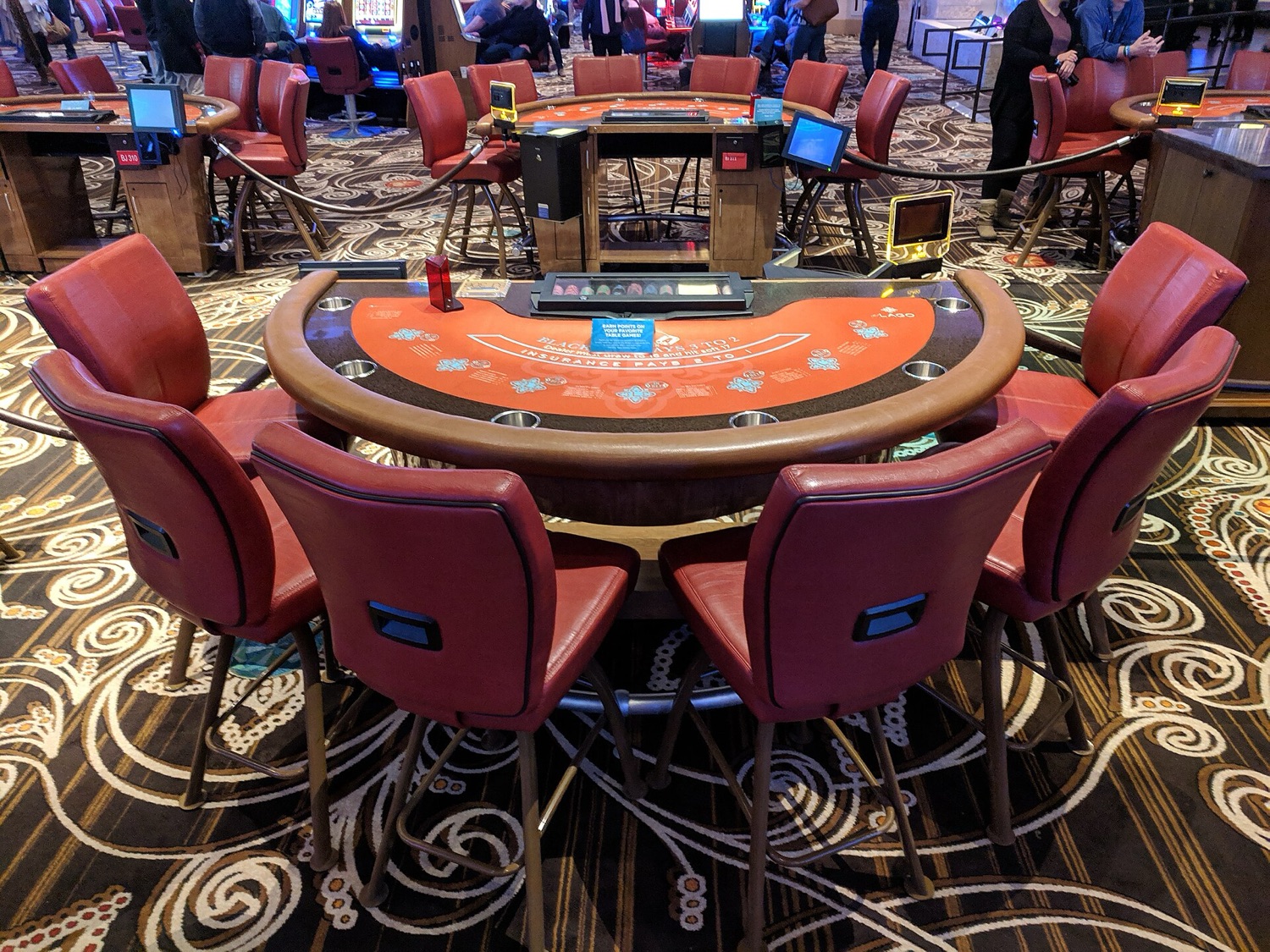
The goal: get a hand closer to 21 than the dealer's without going over 21. Number cards are worth their face value, face cards are worth 10 and an ace is worth 1 or 11. You get two cards, and the dealer shows one. You can hit (ask for a card), stand, double your bet for one more card only, or split a pair into two hands. A blackjack (an ace and a 10-value card as your first two cards) pays more than an ordinary win.
Three basic rules of thumb: stand on 17 or higher; hit on 11 or lower; against a dealer's 7 or higher, hit until you reach 17. The complete "basic strategy" fits on a small card and keeps the house edge to a minimum.
Roulette
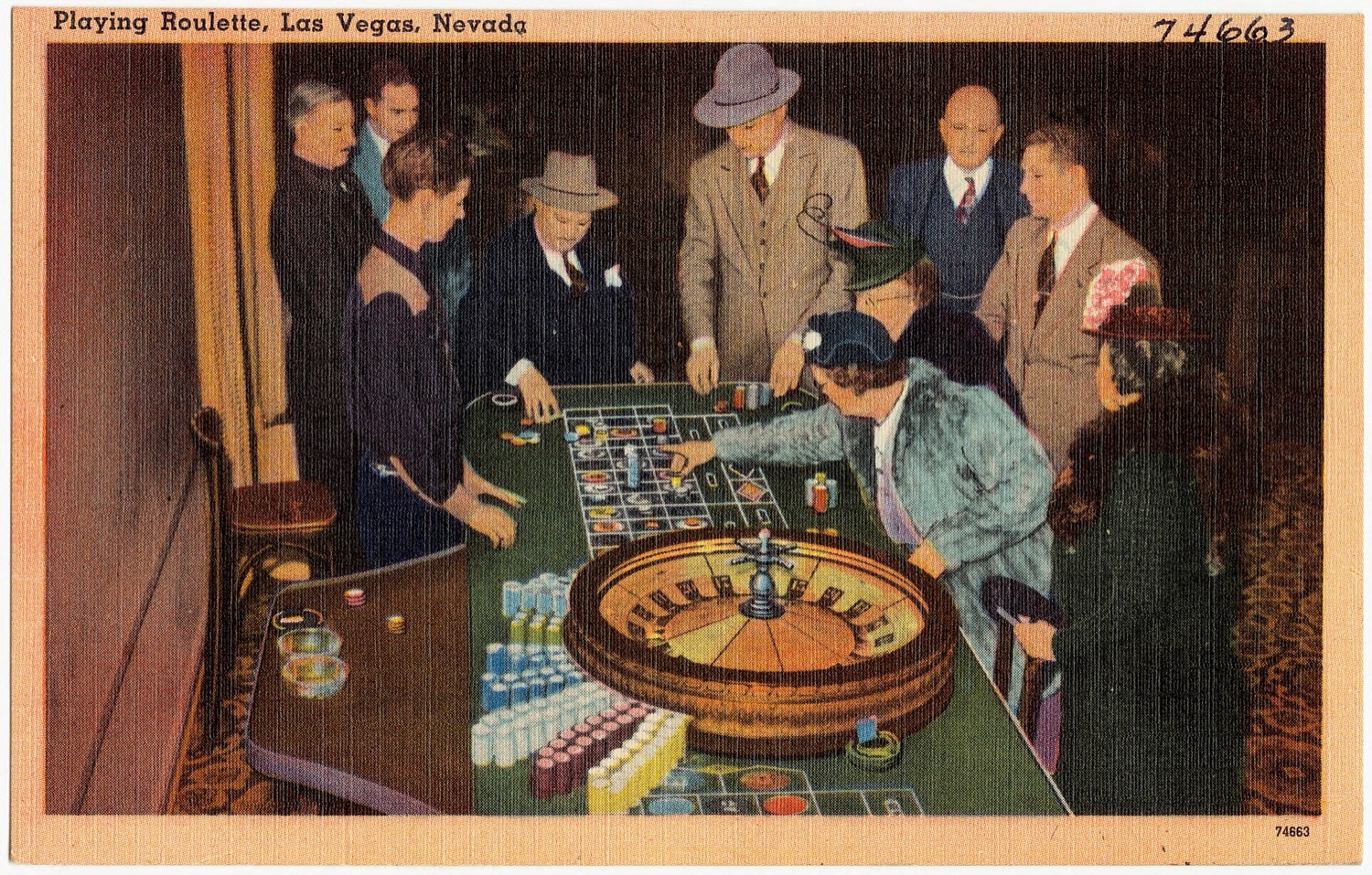
The simplest game of all: you bet on the number or group of numbers where the ball will land. Outside bets (red or black, even or odd, low or high) win often but pay little; inside bets (one number, two, four…) win rarely but pay a lot. You play with colored chips specific to roulette, which you exchange when you leave the table.
Mini-Baccarat
A game of pure chance and very popular: you bet on the "player" hand, the "banker" hand or a tie. The dealer does everything else, following fixed rules. It's ideal for a first experience, since there are no decisions to make after you bet.
Texas Hold'em
In Texas hold'em, you don't play against the house, but against the other players. Each player gets two hidden cards, then five community cards are revealed in three stages (the flop, the turn and the river). You make the best five-card hand. Between stages, you can bet, call, raise or fold. The casino takes a small commission from each pot.
Poker Table Etiquette
- Wait your turn to act and announce your decisions clearly.
- Don't comment on a hand in progress, even if you've folded.
- Keep your cards on the table, where the dealer can see them.
- Say "all in" or push all your chips forward in one motion to avoid any ambiguity.
Poker Against the House
Caribbean Stud, Pai Gow and Ultimate Texas Hold'em are played against the dealer, with a standard poker hand. They're a good transition if you know the hand rankings but don't want to take on seasoned players.
Choosing Games by House Edge
Every casino game has a mathematical edge for the house, larger or smaller depending on the game and how you play it. A few reference points:
| Game | House edge | Why |
|---|---|---|
| Blackjack with basic strategy | among the lowest | Your decisions count |
| Baccarat, banker bet | low | Fixed rules, commission on wins |
| Roulette | medium | The zero gives the house its edge |
| Slot machines | variable, often higher | Depends on the machine and the bet |
| Texas hold'em | commission on the pot | You play against other players |
To make the evening last, start at low-stakes tables, switch between games and take a coffee break on the terrace overlooking the river between sessions.
For the rest of your night: our ski and casino weekend, the Loto-Québec casinos and the history of gambling in Québec.